Holistic wellness recognizes that true health encompasses more than just physical fitness—it integrates mental clarity, emotional balance, and spiritual fulfillment. Outdoor activities uniquely address all these dimensions simultaneously, offering a comprehensive approach to wellbeing that indoor exercise simply cannot match. This guide explores diverse nature-based activities and their specific contributions to holistic health.
The Foundation: Walking and Hiking
Walking remains the most accessible outdoor activity, requiring no special equipment or training. Yet its simplicity belies its profound wellness benefits. Regular walking in natural settings reduces stress hormones, improves cardiovascular health, enhances mood, and provides gentle full-body exercise suitable for all fitness levels. The key is consistency and mindfulness—paying attention to your surroundings, breathing deeply, and moving with intention transforms a simple walk into a powerful wellness practice.
Hiking elevates walking's benefits by adding varied terrain, increased intensity, and deeper immersion in nature. The physical challenge builds strength and endurance while the natural beauty feeds the soul. Research shows that hiking in particular activates brain regions associated with creativity and problem-solving while deactivating the areas linked to rumination and negative self-talk. This mental shift is one reason hikers often report feeling mentally refreshed and emotionally balanced after time on the trails.
Outdoor Yoga: Connecting Body and Earth
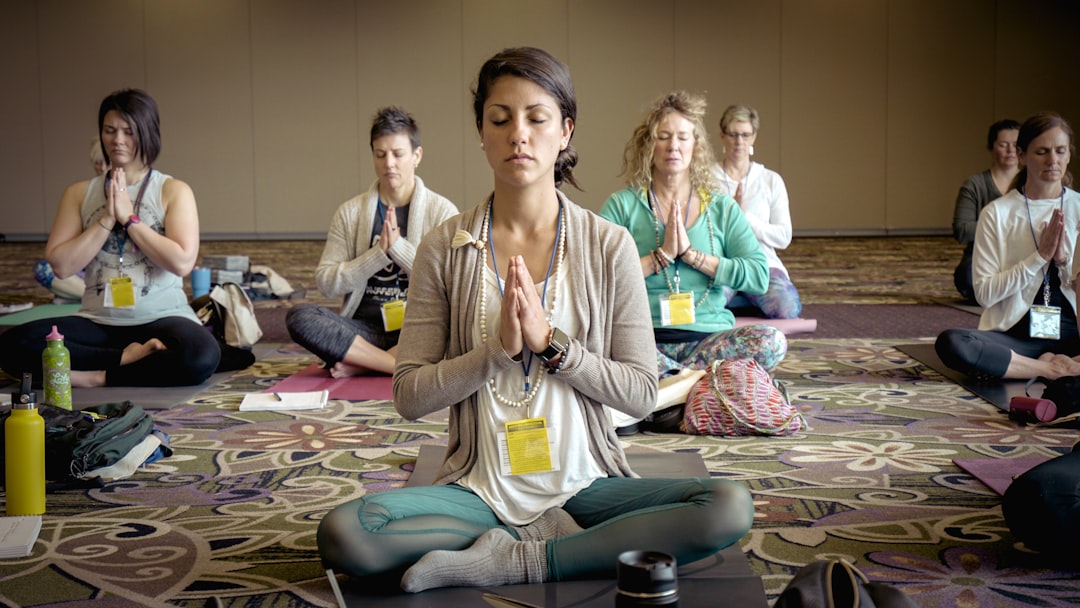
Practicing yoga outdoors amplifies its already significant wellness benefits. The uneven ground challenges balance and engages stabilizing muscles differently than a flat studio floor. Fresh air fills your lungs more deeply, enhancing the pranayama breathing exercises central to yoga practice. The sounds of nature—birds singing, wind rustling leaves, water flowing—provide a natural soundscape for meditation that electronic recordings cannot replicate.
Outdoor yoga also cultivates a deeper sense of connection with the natural world. Practicing sun salutations while actually facing the rising sun, grounding barefoot on grass or sand, or holding tree pose beside actual trees creates symbolic and experiential links between your practice and the living Earth. Many practitioners find outdoor yoga more spiritually fulfilling than indoor classes, as the practice literally brings them closer to nature.
Trail Running: Mindful Movement at Speed
Trail running combines cardiovascular exercise with the mental demands of navigating natural terrain. Unlike road running's repetitive monotony, trail running requires constant attention—watching for roots, rocks, and changes in elevation. This necessary focus creates a meditative state similar to flow, where runners become fully present in the moment, their minds clear of everything except the immediate experience.
The softer surfaces of dirt trails are also gentler on joints than pavement, reducing injury risk while still providing excellent aerobic conditioning. The varied terrain naturally incorporates interval training as you speed up on flat sections and slow for climbs. Many trail runners report that they find their practice more sustainable and enjoyable than road running, partly because the mental engagement prevents boredom.
Wild Swimming: Aquatic Meditation
Swimming in natural bodies of water—rivers, lakes, or oceans—offers unique wellness benefits distinct from pool swimming. The changing conditions, cooler temperatures, and awareness required for safety create an invigorating experience that fully engages mind and body. Cold water swimming in particular has gained attention for its potential benefits including improved circulation, enhanced immune function, and mood elevation.
The sensory experience of wild swimming is profoundly grounding. The coolness of water on skin, the resistance against your movement, the sounds of nature around you—all combine to create intense present-moment awareness. Many wild swimmers describe a meditative quality to their practice, with the rhythmic breathing and movement creating a moving meditation that clears mental clutter and reduces anxiety.
Rock Climbing: Building Strength and Confidence
Rock climbing, whether bouldering or traditional climbing, develops physical strength, mental focus, and emotional resilience simultaneously. The problem-solving aspect of finding routes up rock faces engages the mind strategically while the physical demands build functional strength throughout the body. The necessary trust in equipment, partners, and yourself cultivates confidence that extends beyond climbing into other life areas.
Outdoor climbing offers the additional benefit of spectacular natural settings and the satisfaction of achieving goals in wild places. The combination of physical challenge, mental engagement, and natural beauty makes climbing a particularly comprehensive wellness activity for those drawn to its demands.
Forest Bathing: The Art of Presence
Shinrin-yoku, or forest bathing, is a Japanese practice that involves simply being present in forested areas, slowly taking in the atmosphere through all five senses. Unlike hiking with its destination focus, forest bathing emphasizes the journey itself—sitting, standing, slowly walking, and simply experiencing the forest environment without agenda or distraction.
Scientific research on forest bathing has documented measurable benefits including reduced cortisol levels, lower blood pressure, improved immune function, and enhanced mood. The practice appears to work through multiple mechanisms: the phytoncides released by trees may directly benefit immune function, while the sensory richness of forest environments engages attention in ways that promote relaxation and stress relief.
Cycling: Freedom on Two Wheels
Cycling through natural areas combines aerobic exercise with the joy of covering ground more quickly than walking, allowing exploration of larger territories. The balance required engages core muscles and proprioception, while the rhythmic pedaling can induce meditative states similar to running. Road cycling and mountain biking offer different experiences—the smooth flow of road riding versus the technical challenge of navigating trails.
Many cyclists report a sense of freedom and childlike joy in their practice, perhaps connected to early memories of bike riding as liberating childhood adventure. This emotional dimension adds to cycling's wellness benefits, making it not just exercise but genuine recreation in the truest sense of the word—re-creation of vitality and enthusiasm.
Gardening: Nurturing Growth
Gardening may not seem like an outdoor activity in the same category as hiking or swimming, but it offers profound wellness benefits. The physical work provides gentle to moderate exercise with varied movements—digging, reaching, lifting, squatting. The connection with soil and growing things satisfies deep human needs for nurturing and creation. Studies show that contact with soil bacteria may actually boost mood through effects on neurotransmitter production.
The mindfulness cultivated through gardening—paying attention to plant needs, weather patterns, seasonal cycles—creates a contemplative practice that many find deeply satisfying. The delayed gratification of watching seeds become plants, blooms, or food teaches patience and long-term thinking, valuable counterbalances to our instant-gratification culture.
Creating Your Personal Practice
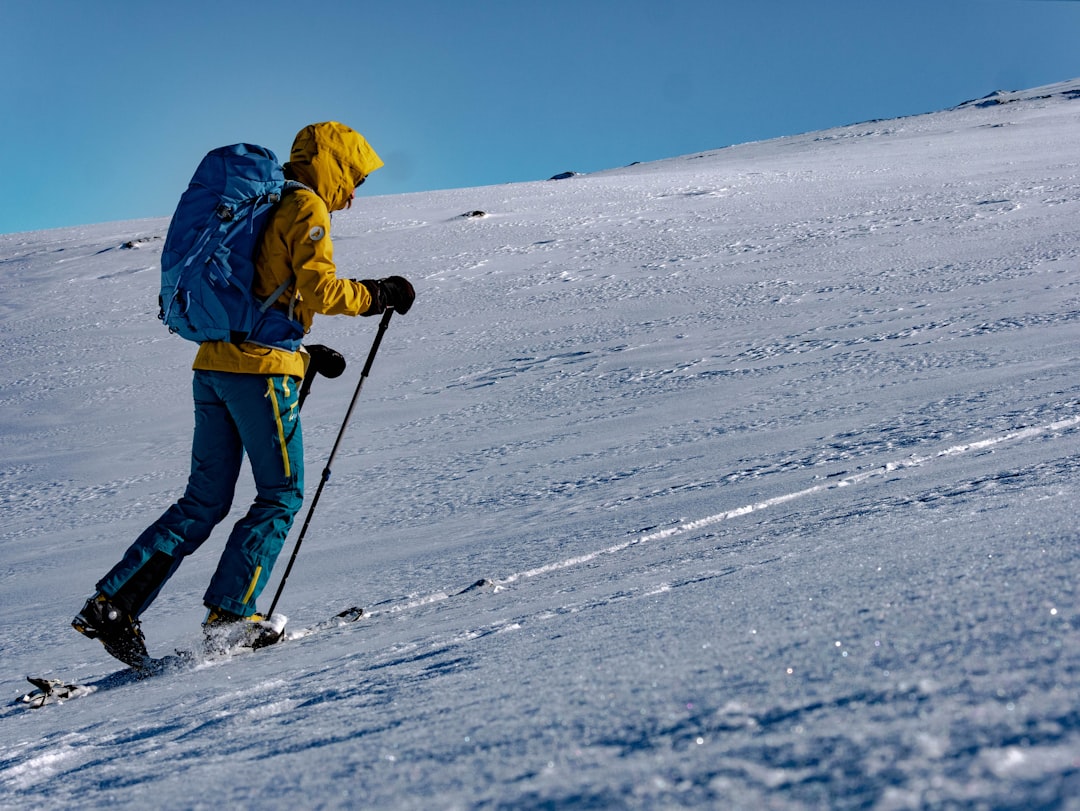
The key to sustainable wellness through outdoor activities is finding what genuinely appeals to you and fits your lifestyle. Experiment with different activities, notice what draws you back repeatedly, and build those into regular practice. Consider seasonal variations—perhaps hiking in summer, snowshoeing in winter, and swimming in between.
Start modestly and build gradually. Even 20 minutes of outdoor activity provides benefits, and consistency matters more than intensity. Keep a journal noting how different activities affect your mood, energy, and overall sense of wellbeing. This self-knowledge helps you refine your practice over time, creating a personalized outdoor wellness routine that truly serves your holistic health.
Conclusion
Outdoor activities offer unparalleled opportunities for holistic wellness, simultaneously addressing physical fitness, mental clarity, emotional balance, and spiritual fulfillment. The natural world provides the perfect setting for practices that reconnect us with our bodies, our planet, and our essential selves. By incorporating varied outdoor activities into regular routine, we access nature's healing power in its fullest expression, cultivating wellness that encompasses every dimension of our being.