Proper preparation transforms hiking from potentially dangerous misadventure into safe, rewarding outdoor experience. Whether you're planning a short nature walk or a multi-day backpacking trip, understanding essential preparation principles ensures you're ready for whatever the trail presents. This comprehensive guide covers everything from gear selection to emergency preparedness, helping you build confidence and competence for outdoor adventures.
Research Your Trail
Thorough research is the foundation of safe hiking. Before setting foot on any trail, gather detailed information about distance, elevation gain, terrain type, and estimated completion time. Consult multiple sources—guidebooks, hiking apps, park websites, and recent trip reports from other hikers. Pay particular attention to current conditions, as trails change seasonally and sometimes dramatically based on weather events.
Understand the trail's difficulty rating, but also consider your own fitness level honestly. A trail rated moderate for experienced hikers might prove challenging for beginners. Look for information about trail markers and navigation difficulty. Some well-maintained trails are impossible to get lost on, while others require map and compass skills even in good conditions. Know what you're getting into before you go.

Essential Gear: The Ten Essentials
The "Ten Essentials" system, developed by The Mountaineers, provides a framework for packing appropriately for day hikes. These essentials ensure you can handle emergencies, unexpected delays, and changing conditions. They include navigation tools like map and compass, sun protection including sunscreen and sunglasses, insulation in the form of extra clothing layers, illumination such as a headlamp with extra batteries, first-aid supplies, fire-starting materials, repair kit and tools, nutrition beyond what you plan to eat, hydration beyond what you expect to drink, and emergency shelter.
Many beginners resist carrying "unnecessary" items, but these essentials can literally save your life if weather turns, you get lost, or injury occurs. The weight is minimal compared to the security they provide. Modern lightweight versions of these items make carrying the essentials easier than ever before.
Footwear: Your Foundation
Appropriate footwear is perhaps the single most important gear decision. Blisters and foot pain can transform an enjoyable hike into miserable experience. For well-maintained trails with minimal elevation change, sturdy trail running shoes may suffice. More challenging terrain benefits from hiking boots that provide ankle support and protection from rocks and roots.
Break in new boots before committing to a long hike. Wear them around town, on shorter walks, gradually increasing distance. This allows the materials to mold to your feet and reveals potential problem spots before you're miles from the trailhead. Pair boots with appropriate hiking socks—merino wool or synthetic blends that wick moisture away from skin help prevent blisters.
Clothing: Layering for Success
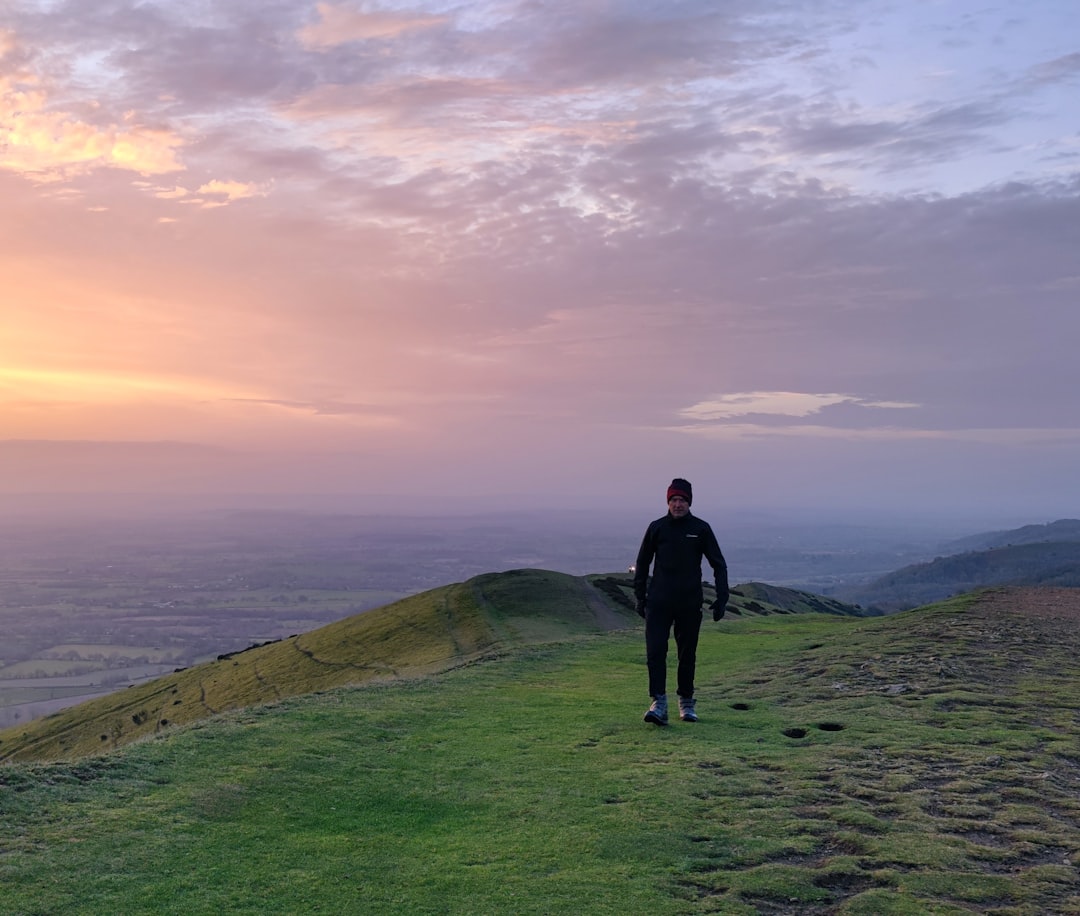
Weather in outdoor environments changes rapidly, and your activity level affects body temperature. Layering allows you to regulate temperature by adding or removing clothing as needed. Start with a moisture-wicking base layer against skin that pulls sweat away from your body. Add insulating mid-layers like fleece or down that trap warm air. Top with a waterproof, breathable shell to protect against wind and rain.
Avoid cotton, which retains moisture and can lead to dangerous heat loss when wet. Choose synthetic or wool fabrics instead. Bring more layers than you think necessary—it's easy to carry an extra fleece in your pack, but impossible to create warmth from nothing if temperatures drop unexpectedly.
Hydration and Nutrition
Dehydration significantly impacts both physical performance and mental clarity. Carry more water than you think you'll need—a general guideline is half a liter per hour of moderate hiking, more in hot conditions or challenging terrain. For longer hikes, bring water purification tablets or a filter system so you can safely drink from natural sources.
Pack high-energy snacks that you actually enjoy eating. Trail mix, energy bars, jerky, dried fruit, and nuts provide quick calories in portable form. Eat small amounts regularly rather than waiting until you're hungry—by then, you're already depleted. Proper nutrition maintains energy levels and helps prevent the poor judgment that comes with low blood sugar.
Navigation Skills
Even on well-marked trails, carry a map and know how to use it. Smartphone GPS apps are incredibly useful but batteries die and service is unreliable in remote areas. A physical map and compass never run out of power. Before your hike, study the map, identify key landmarks, and understand the general route. Note where water sources, campsites, and bail-out points exist.
If you're new to map reading, take a basic navigation course or practice in familiar areas first. The ability to orient a map, identify your location, and plot a course is a fundamental outdoor skill that builds confidence and safety. Even if you never get lost, understanding where you are on the landscape deepens appreciation of the terrain you're exploring.
Weather Awareness
Check weather forecasts before departure, but understand that mountain and remote area weather can change rapidly regardless of predictions. Learn to read natural weather signs—cloud formations, wind patterns, temperature changes. Cumulonimbus clouds indicate potential thunderstorms; increasing wind often precedes weather changes; sudden temperature drops signal approaching fronts.
Have a plan for adverse weather. Where are the nearest sheltered areas? At what point would you turn back rather than continue? Being willing to abort a hike due to dangerous conditions is a sign of wisdom, not weakness. The mountain will still be there another day, but unnecessary risks can have permanent consequences.
Safety Protocols
Always tell someone where you're going and when you expect to return. Provide specific trail names, planned route, and realistic timeline. Establish a check-in protocol—what time you'll contact them after finishing, and what they should do if they don't hear from you. This simple step ensures help will come if needed.
Hike with others when possible, especially on remote or challenging trails. Groups provide both safety and companionship. If hiking solo, which has its own rewards, be extra diligent about preparation and conservative in your decisions. Carry a whistle for emergency signaling—three blasts is the universal distress signal. Consider a personal locator beacon for very remote areas.
Leave No Trace Principles
Responsible hiking means preserving natural areas for future visitors and protecting ecosystems. Follow Leave No Trace principles: plan ahead and prepare, travel and camp on durable surfaces, dispose of waste properly, leave what you find, minimize campfire impact, respect wildlife, and be considerate of other visitors.
Pack out everything you pack in, including food waste and toilet paper. Stay on established trails to prevent erosion and habitat damage. Keep noise levels reasonable. Give wildlife space and never feed animals. These practices ensure that wild places remain wild and accessible for everyone.
Physical Preparation
Physical fitness appropriate to your hiking goals prevents injury and increases enjoyment. Build endurance through regular cardiovascular exercise—walking, running, cycling. Strengthen legs and core with bodyweight exercises like squats, lunges, and planks. If possible, train on terrain similar to what you'll encounter—hills, stairs, uneven surfaces.
Start with easier hikes and gradually increase difficulty. Don't attempt a strenuous mountain climb as your first hike. Progressive challenge allows your body to adapt, building strength and skill safely over time. Listen to your body—pain is a signal to rest, not push through.
Emergency Preparedness
Despite best preparation, emergencies can occur. Know basic first aid, particularly how to treat blisters, sprains, cuts, and signs of heat exhaustion or hypothermia. Carry a well-stocked first aid kit appropriate to your trip length and remoteness. Include any personal medications you might need.
Understand what to do if lost. The general rule: stop, stay calm, and think. Don't wander aimlessly. Use your map and compass to orient yourself. If you can't determine your location, stay put—it's easier for rescuers to find someone stationary than someone wandering. Make yourself visible and audible. Remember that three of anything—whistle blasts, fires, rock piles—signals distress.
Seasonal Considerations
Different seasons present different challenges. Summer heat requires extra water, sun protection, and awareness of thunderstorm patterns. Fall brings shorter days—carry a headlamp even for day hikes. Winter demands specialized knowledge about snow conditions, avalanche risk, and cold weather gear. Spring runoff can make stream crossings dangerous and trails muddy.
Research seasonal trail conditions before your trip. Some trails are inaccessible or extremely dangerous at certain times of year. Others reach peak beauty seasonally—wildflower blooms, fall colors, winter snow scenes. Choosing the right season for your hike enhances both safety and enjoyment.
Conclusion
Thorough preparation is the key to safe, enjoyable hiking. While this guide covers essential topics, learning is ongoing. Each hike teaches new lessons about your capabilities, gear preferences, and the natural world. Approach outdoor adventures with humility and respect for nature's power, prepare diligently, and you'll find that trails offer endless opportunities for challenge, growth, beauty, and profound connection with the wild places that renew our spirits and remind us of what matters most.